
Staying Ahead in the Dental Lab Industry: Insights from NADL Vision 21 Conference
- Brigette Moore

- Jan 19
- 4 min read
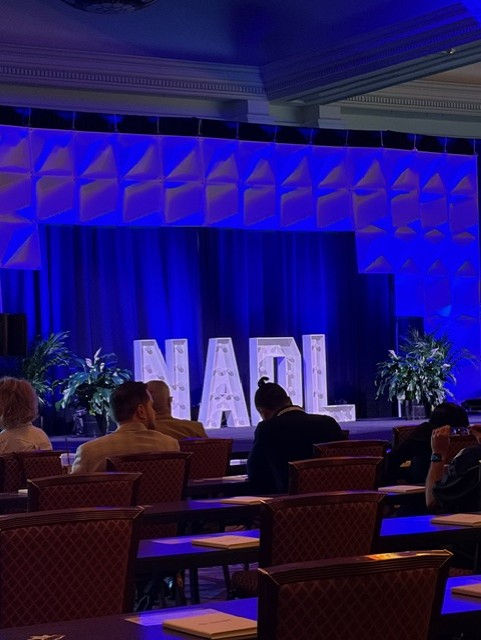
We just returned from a weekend in Las Vegas attending the NADL Vision 21 conference, a key event for dental lab professionals. The experience highlighted how crucial it is for dental labs to stay current with industry trends and to take proactive steps in supporting dentists as they grow their practices. This post shares valuable insights from the conference, focusing on how dental labs can lead the way in innovation, service, and collaboration.
Why Staying Updated Matters for Dental Labs
The dental lab industry is evolving rapidly. New materials, technologies, and workflows are changing how labs operate and how they serve dentists. Staying updated is not just about adopting the latest tools; it’s about understanding how these changes affect dentists’ needs and expectations.
For example, the rise of digital impressions and CAD/CAM technology has transformed the way labs receive cases and produce restorations. Labs that invest in these technologies can offer faster turnaround times and higher precision, which dentists appreciate. But beyond technology, labs must also keep up with regulatory changes, material science advances, and shifting patient demands.
Dental labs that stay informed can anticipate challenges and opportunities. This proactive approach helps labs build stronger partnerships with dentists, offering solutions that improve patient outcomes and practice efficiency.
Building Stronger Partnerships with Dentists
One of the key themes at the NADL Vision 21 conference was collaboration. Dental labs are no longer just manufacturers; they are partners in patient care. This means labs need to understand dentists’ business goals and challenges.
Labs can support dentists by:
Offering educational resources about new materials and techniques
Providing case consultations to improve treatment planning
Delivering consistent quality and reliable turnaround times
Sharing feedback from the lab side to help dentists refine their clinical protocols
For instance, a lab might notice recurring issues with impression quality from a particular practice. By communicating this clearly and constructively, the lab helps the dentist improve case submissions, reducing remakes and delays. This benefits both parties and ultimately the patient.
Embracing Technology to Improve Service
Technology was a major focus at the conference. Digital workflows, 3D printing, and advanced ceramics are reshaping dental labs. Labs that adopt these tools can offer dentists more options and better results.
Digital impressions allow labs to receive precise, detailed data instantly. This reduces errors caused by traditional impressions and speeds up the production process. Labs using 3D printing can create models, surgical guides, and even some restorations faster and with high accuracy.
However, technology adoption requires investment and training. Labs must weigh the costs against the benefits and consider how new tools fit into their existing workflows. The conference showcased labs that successfully integrated digital systems, resulting in improved efficiency and happier dentist clients.
Focusing on Quality and Consistency
Quality remains the foundation of any successful dental lab. Dentists rely on labs to deliver restorations that fit well, function properly, and look natural. Consistency in quality builds trust and long-term relationships.
At the conference, several sessions emphasized quality control processes. Labs shared best practices such as:
Standardizing protocols for case handling and fabrication
Using calibrated equipment and regularly maintaining it
Implementing thorough inspection steps before shipping cases
Training staff continuously on new materials and techniques
One lab presented a case study showing how implementing a digital tracking system reduced errors by 30% and improved turnaround times by 20%. These improvements led to higher dentist satisfaction and more referrals.
Understanding Market Trends and Patient Expectations
Dental labs must also keep an eye on broader market trends. Patient expectations are changing, with more demand for esthetic restorations, same-day solutions, and biocompatible materials.
Labs that understand these trends can advise dentists on the best options for their patients. For example, offering zirconia restorations that combine strength and esthetics can meet the needs of patients seeking durable yet natural-looking crowns.
The conference highlighted how labs can differentiate themselves by specializing in certain materials or techniques. This specialization helps labs attract dentists looking for expert partners.
Training and Education as a Growth Strategy
Continuous education is vital for dental labs. The NADL Vision 21 conference provided numerous workshops and seminars on new materials, digital workflows, and business strategies.
Labs that invest in training can improve their technical skills and better serve dentists. Offering training sessions or webinars for dentists can also strengthen relationships and position the lab as a trusted resource.
For example, a lab might host a workshop on digital impression techniques, helping dentists improve their skills and reduce errors. This benefits both the dentist and the lab by creating smoother workflows.

Taking Action to Grow Your Dental Lab Business
The key takeaway from the NADL Vision 21 conference is that dental labs must be proactive. Waiting for change to happen puts labs at risk of falling behind. Instead, labs should:
Regularly attend industry events and training
Invest in technology that improves quality and speed
Build open communication channels with dentists
Monitor market trends and patient preferences
Focus on consistent quality and service reliability
By doing these things, dental labs can become indispensable partners to dentists, helping them grow their practices while also expanding their own business.


Comments